Why Regular Dental Visits Matter According to Glasgow Dentists
Posted on 30 October 2025 by georgewhite — 3 min
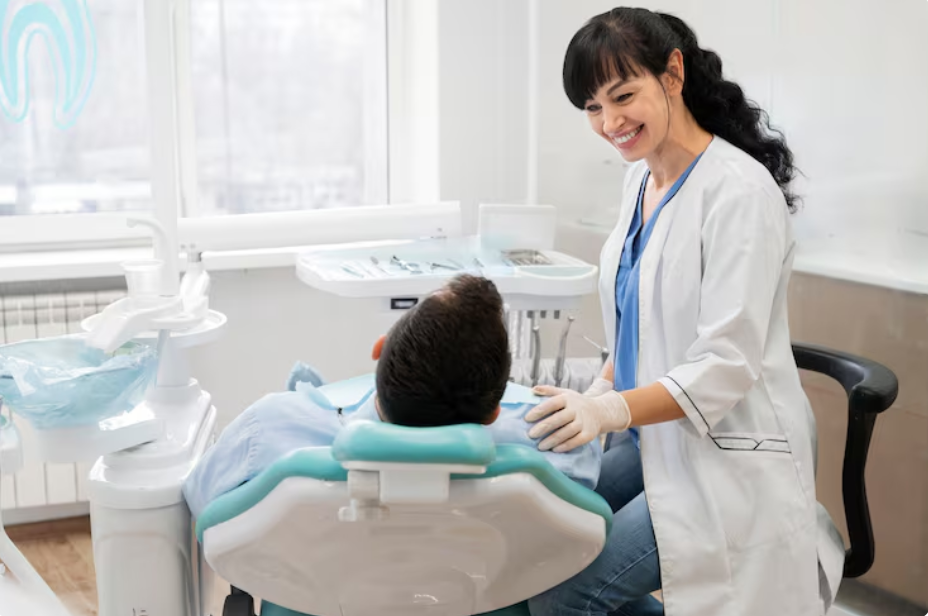
Many people think dental appointments are only necessary when pain appears. Dentists across Glasgow consistently explain that routine checkups play a far greater role than responding to discomfort alone. Regular visits allow oral health to be observed over time, making it easier to notice small changes that may otherwise go unnoticed. This ongoing attention helps patients maintain stability rather than reacting to problems after they develop.
Routine dental care focuses on prevention, education, and reassurance. These visits support everyday habits and encourage people to take a proactive role in their oral wellbeing instead of delaying care.
The Value of Prevention Over Treatment
Glasgow dentists often emphasise that preventing problems is simpler and less stressful than fixing them later. Early signs of decay, enamel wear, or gum irritation rarely cause pain at first. Without routine monitoring, these issues can progress quietly until treatment becomes more involved.
Preventive visits allow dentists to recommend small adjustments early, helping patients avoid unnecessary procedures and maintain natural teeth for longer periods.
What Usually Happens During a Checkup
Although every appointment is personalised, routine visits often include several consistent elements designed to monitor oral health:
Visual examination of teeth and gums
Review of existing dental work
Assessment of bite and jaw comfort
Discussion about daily cleaning habits
These steps help dentists build a clear picture of long-term dental health.
Monitoring Gum Health Over Time
Gum condition can change gradually, making early signs easy to overlook at home. Dentists in Glasgow regularly point out that redness, bleeding, or tenderness should be addressed early. Routine visits help identify these changes before they progress into more serious concerns.
Keeping gums healthy supports tooth stability and overall comfort.
Building Familiarity and Confidence
Seeing the same dental team regularly helps patients feel more at ease. Familiarity reduces anxiety and improves communication, allowing dentists to understand individual sensitivities and preferences. Over time, this creates a more relaxed environment where care becomes easier for both patient and practitioner.
Confidence plays a key role in maintaining consistent dental attendance.
Why Skipping Appointments Can Be Risky
Avoiding routine visits can allow minor concerns to worsen silently. Dentists frequently treat issues that could have been managed earlier with simpler care. Delayed attention often leads to longer appointments and increased stress.
Regular checkups act as a safeguard against unexpected dental emergencies.
Long-Term Advantages of Consistent Visits
Patients who attend routine appointments often experience several benefits:
Fewer urgent dental situations
Better understanding of their oral condition
More predictable treatment planning
Greater confidence in daily routines
These advantages support stability and peace of mind.
Dental Health and Overall Wellbeing
Dentists in Glasgow regularly highlight the connection between oral health and general wellbeing. Comfortable teeth and healthy gums support daily life, confidence, and nutrition. Routine dental care contributes to overall comfort rather than addressing isolated problems.
Viewing dental visits as part of self-care helps patients maintain balance.
A Sustainable Approach to Oral Care
Consistency matters more than perfection. Dentists encourage patients to view routine visits as supportive check-ins rather than obligations. Combined with simple daily habits, these appointments help maintain long-term oral health without unnecessary complexity.
Conclusion
According to Glasgow dentists, regular dental visits matter because they promote prevention, early guidance, and confidence. Routine care allows patients to stay informed, comfortable, and supported over time. By attending checkups consistently, people protect their oral health proactively and reduce the likelihood of unexpected dental problems in the future. This approach encourages responsibility, awareness, and healthier decisions that benefit patients throughout different stages of life.